Design Insights for Northville Deck Builder Services
Discovering the Top Deck Designs: An In-Depth Guide to Various Types of Decks for Your Outdoor Oasis
Exploring deck designs can substantially elevate an outdoor space. Households face a wide range of selections, each delivering specific advantages. From timeless timber aesthetics that bring warmth to innovative composite solutions that guarantee lasting performance, the options are vast. In addition, green materials and multi-tier arrangements deliver inventive approaches to optimizing usability. As the discussion progresses, the unique features that elevate comfort and aesthetics will demonstrate the capability of designing a remarkable outdoor haven.
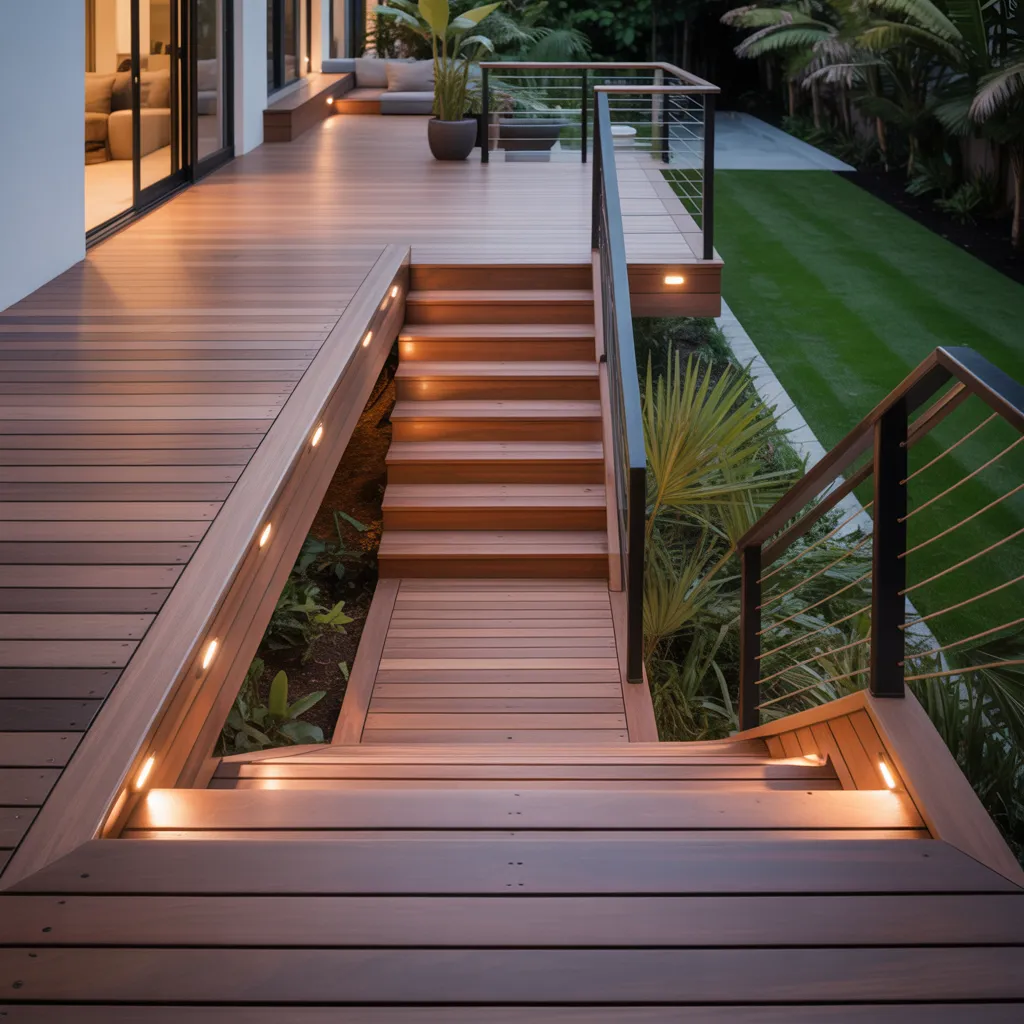
Classic Wooden Decks: Enduring Deck Design Appeal
While many modern materials vie for attention in outdoor design, classic wooden decks continue to embody a charm that resonates with homeowners and designers alike. Their inherent beauty enriches the character of any outdoor area, providing warmth and a sense of connection to nature.
Offered in a variety of species including cedar, redwood, and pressure-treated pine, wooden decks offer versatility in design and finish options. The rich textures and grains of wood produce a one-of-a-kind aesthetic, ensuring every deck is truly unique. Furthermore, wooden decks can be customized to match diverse architectural aesthetics, from rustic to contemporary.
Regular maintenance is vital for long-term performance, necessitating routine staining or sealing to shield against weather damage. Nonetheless, the classic charm of wood, along with its sustainable characteristics, ensures its lasting appeal. Classic wooden decks remain a favorite choice for those seeking an inviting and aesthetically pleasing outdoor retreat.
Advanced Composite Decks: The Minimal-Upkeep Answer
Modern composite decks have emerged as a popular choice for property owners in search of a minimal-maintenance outdoor alternative. Built using a combination of wood fibers and recycled plastic materials, these decks deliver exceptional durability and attractive aesthetics eliminating the significant upkeep that conventional wood decking requires. Compared to conventional wooden decking, composite materials hold up against fading, staining, and warping, maintaining a dependably appealing aesthetic for years to come.
Homeowners value the ease of cleaning composite decks, as they typically need just soap and water to maintain their look. Furthermore, many composite products feature built-in UV protection, further enhancing their longevity. With a range of colors and textures available, these decks can enhance any outdoor design, delivering adaptability while removing the requirement for sanding, sealing, or painting. As outdoor living spaces become more popular, modern composite decks emerge as a smart option for those valuing both style and low maintenance in their backyard retreat.
Green Decking Solutions: The Importance of Eco-Friendly Options
As homeowners increasingly prioritize sustainability, sustainable decking materials have attracted considerable interest in the marketplace. These materials not only reduce environmental impact but also enhance the aesthetic appeal of outdoor spaces. Reclaimed wood, as a prime example, provides a distinctive character while helping to curb deforestation. In addition, bamboo has established itself as a resilient, quick-growing substitute that consumes considerably less energy to manufacture.
Composite decking constructed from recycled plastics and wood fibers provides an additional sustainable option, cutting down on waste and encouraging long-lasting performance. Furthermore, a growing number of manufacturers are now emphasizing low-VOC finishes, which provide a healthier option for both the environment and people.
Choosing eco-friendly decking goes beyond simply showing a devotion to sustainability but also contributes to energy efficiency and long-term cost savings through minimized maintenance and replacement needs. As public consciousness increases, the demand for green decking solutions will likely continue to drive innovation in the decking industry, making environmentally responsible decisions more accessible for homeowners.
Multi-Level Decks: Maximizing Space and Functionality
Multi-level decks offer an innovative solution for homeowners looking to maximize outdoor space and functionality. These adaptable installations can convert sloped or uneven terrain into functional spaces, offering separate areas for rest, meals, and social gatherings. Through the addition of multiple tiers, homeowners can develop a stunning outdoor environment that adds vertical interest and elevates the property's visual appeal.
Multi-level decks are designed to allow for a more structured arrangement of outdoor activities. To illustrate this, one level can serve as a lounging area, while a second level can house a grill or outdoor cooking station. Furthermore, such decks can feature integrated seating and garden planters, effortlessly merging natural elements with outdoor living spaces.
Safety and accessibility are greatly boosted with intentional design choices, as handrails and staircases can be incorporated into the structure. At the core of it all, multi-level decks not only maximize space but also enhance the functionality of outdoor areas, making them ideal for gatherings and personal retreats.
Innovative Deck Features: Elevating Style and Comfort
While traditional deck designs offer a solid foundation for outdoor enjoyment, integrating imaginative additions can considerably elevate both appearance and functionality. Adding built-in seating not only provides a cozy gathering space but also optimizes available area. Ornamental railings, including glass panels or elaborate woodwork, enhance the aesthetic charm while preserving safety. Adding planters abundant with rich foliage introduces an invigorating accent, seamlessly merging nature with craftsmanship.
Adding elements such as outdoor lighting can completely change the ambiance, enabling enjoyable evenings under the stars. A fire pit serves as both a gathering spot and a source of comfort, increasing the functionality of the deck. Moreover, adding shade elements like pergolas or retractable awnings provides comfort during sunny days. Finally, outdoor rugs and cushions work to soften the space, creating an comfortable atmosphere. These creative features collectively contribute to a deck that is not only functional but also a sophisticated reflection of the home.
Deck Budgeting 101: Strategic Planning and Saving
Designing a attractive and cozy deck necessitates careful consideration, especially when it comes to allocating funds. A well-planned budget not only confirms fiscal viability but also permits homeowners to focus on key elements. First, it evaluation is vital to determine the total spending plan, taking into account construction materials, installation costs, and added amenities like lighting or outdoor furniture.
Homeowners are encouraged to examine a range of materials, as costs can differ significantly. To illustrate, composite decking tends to be more expensive than traditional wood but could deliver extended savings thanks to minimal maintenance requirements.
Additionally, looking into nearby contractors can generate competitive bids, offering a better overview of the cost of labor.
Setting aside a emergency budget is wise, as unplanned expenditures commonly emerge during construction. By following a carefully planned budget and making informed choices, home enthusiasts can design an exterior retreat that balances style, comfort, and financial prudence.
Questions We Often Receive
What Is the Lifespan of Different Deck Materials?
Deck materials differ significantly in their lifespan; pressure-treated wood has a lifespan of 15-20 years, while composite decking offers a lifespan of 25-30 years. Cedar and redwood usually endure for about 20-25 years, and aluminum decking can last beyond 30 years when properly maintained.
What Is the Best Way to Care for My Deck Across Every Season?
To keep a deck through every season, consistent cleaning, sealing, and inspections are vital. In winter, remove snow carefully, while summertime demands defense against UV rays, ensuring the deck remains in ideal condition year-round.
Should I Build a Deck Myself, or Hire a Professional?
Building a deck oneself is possible, but it requires significant knowledge and skill. Enlisting a professional contractor often guarantees better quality and compliance with regulations, making it an ideal decision for people who are new to building projects.
What Permits Do You Need for Deck Construction?
Before constructing a deck, homeowners are usually required to acquire building permits, zoning approvals, and possibly inspections, according to regional requirements. Consulting with the local building department helps ensure compliance and eliminates possible legal complications while completing the construction.
How Can I Select the Best Deck Color and Style?
To choose the right deck color scheme and design, one should consider the architecture of the house, surrounding landscape, and personal preferences. Using samples can aid in visualizing choices, while style trends and material durability also play significant roles in decision-making.